Free shipping on orders over 120 €

Collagen for Skin & Joints: How It Works, What Research Says, and Practical Use
Collagen supplements are widely used for skin elasticity and joint comfort. Learn how hydrolyzed collagen works, what the evidence shows, and practical tips for choosing and using collagen powders and sachets.
3 min read
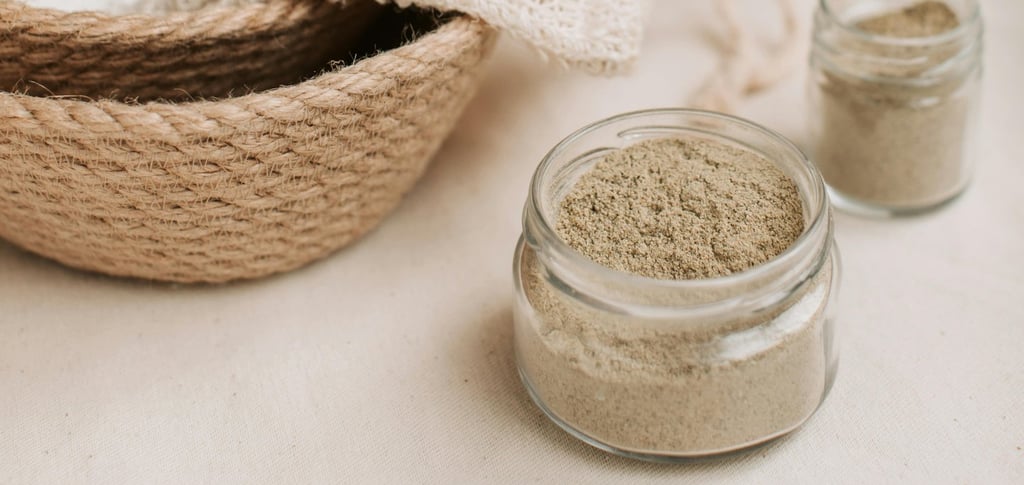
What collagen is — and why it matters
Collagen is the body’s main structural protein, abundant in skin, cartilage, bone, and connective tissues. As we age, collagen production slows and the structure of existing collagen changes, contributing to thinner skin, more wrinkles, and reduced elasticity as well as gradual loss of cartilage resilience. Because collagen supplies key amino acids used to build and maintain connective tissue, supplementing with hydrolyzed collagen peptides is one practical approach people use to support skin and joint health.
What science says about collagen for skin
Multiple randomized trials and meta-analyses have found that oral hydrolyzed collagen can improve skin hydration, elasticity and reduce the appearance of fine lines when taken consistently (typical study periods: 8–12 weeks). Doses in positive trials vary, but many effective studies use daily collagen in the range of 1–10 g, with higher-dose products commonly delivering around 5–10 g per day. While results are modest and individual responses vary, the bulk of current evidence supports a real, measurable benefit for skin parameters in adults.
What science says about collagen for joints
Collagen supplements — especially hydrolyzed collagen — have shown promise for reducing activity-related joint pain and supporting joint function in some clinical studies. Systematic reviews indicate potential benefits for joint comfort and mobility, though effect sizes and the quality of evidence vary across studies. Collagen may act both by supplying amino acids needed for connective tissue repair and, in some formulations, by modulating joint metabolism. As with skin outcomes, joint benefits usually require consistent use for several weeks to months.
Different formulations — what to look for
Not all collagen products are the same.
Important factors include:
Source & type: Collagen is commonly sourced from bovine, marine, porcine or poultry. Different types (I, II, III) have slightly different tissue associations (skin vs cartilage).
Molecular weight/hydrolyzation: Hydrolyzed collagen (collagen peptides) is broken into small peptides for easier absorption; many high-absorption products specify low molecular weight ranges (e.g., ~800–3,000 Da).
Additives: Some beauty formulations include hyaluronic acid and vitamin C to support hydration and collagen synthesis; joint formulas may combine collagen with vitamin C for synthesis support or other actives aimed at cartilage.
When choosing a product, prefer transparent labels that list collagen type, dose per serving, and any complementary ingredients that support collagen synthesis (for example, vitamin C).
Practical dosing & usage tips
Common dosing: Many products recommend 5–10 g of collagen peptides per day for skin and joint support; some sachets provide 10 g per serving. Regular daily intake (not sporadic use) is important for measurable results.
Pair with vitamin C: Vitamin C is a cofactor for collagen synthesis; taking vitamin C alongside collagen supplements supports the body’s ability to use the supplied peptides. Many sachet products include around 80 mg of vitamin C per serving for this reason.
Expectations & timeframe: People commonly observe changes in skin hydration or reduced joint discomfort after several weeks (often 8–12 weeks). If no change is seen after 3 months, reassess usage, overall nutrition, and lifestyle factors.
Product examples (how these fit real needs)
Collagena Beauty 10,000 mg (sachet format) — a high-dose hydrolyzed collagen formula that pairs 10 g collagen peptides with hyaluronic acid and vitamin C to target skin hydration, elasticity, and overall beauty-related outcomes. Its composition reflects the type of dosing and supportive co-factors used in trials on skin benefits.
Collagena Joints 10,000 mg (sachet/powder) — an unflavored high-dose collagen powder intended to support cartilage, bones, and connective tissue; the simplicity of the formula (collagen + vitamin C) suits users who prefer to add collagen into drinks or recipes for joint-focused support.
(Links above point to product pages for ingredient lists and suggested use.)
Safety, interactions & who should consult a clinician
Collagen supplements are generally well-tolerated. However, people with allergies to specific sources (for example, marine collagen for those with fish/shellfish allergy) should avoid those products and select a safe source (e.g., bovine). If you are pregnant, nursing, have a chronic condition, or take medications, consult a healthcare professional before starting any new supplement. For joint pain that is severe or rapidly worsening, seek medical evaluation to rule out underlying conditions.
Final takeaway
Oral hydrolyzed collagen offers a convenient, evidence-backed option to support skin hydration, elasticity, and—potentially—joint comfort when used consistently. Choose products with transparent labeling, sensible doses (many effective products sit in the 5–10 g/day range), and complementary ingredients such as vitamin C. Combine supplementation with a nutrient-dense diet, sun protection for skin, weight management, and movement for joints, and you’ll give your body the best chance to maintain healthy connective tissues over time.
Contact info
info@theorganicpharma.com
+353 87 900 3024
© 2025 The Organic Pharma. All Rights Reserved. Biofarmacija products distributed under license.
Built and Maintained by nxm6.com